What Does ChatGPT Say About Your Company?
The answer a buyer hears about you was written by a model from whatever it found. Here is how to know what it says, why it is wrong, and what to do about it.
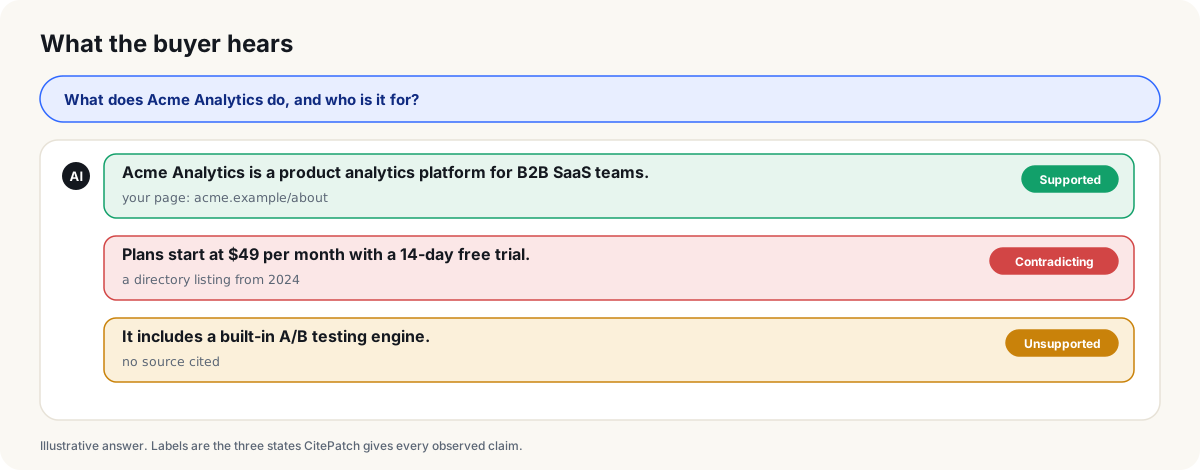
Somewhere today, a buyer typed your company’s name into ChatGPT and asked what you do. They got an answer — confident, fluent, three or four sentences — and they made a decision on it. You did not see the question, you did not see the answer, and there is a real chance part of it was wrong. The answer a buyer hears about you was written by a model from whatever it found about you. Not by you.
Why a wrong claim costs you before you know it exists
The first impression moved upstream. A buyer who asks an assistant about you gets a summary before they get your homepage. Whatever that summary says — the price, the category, who you are for — is the frame they carry into everything that follows. If it is wrong, you are correcting a belief you never had the chance to set.
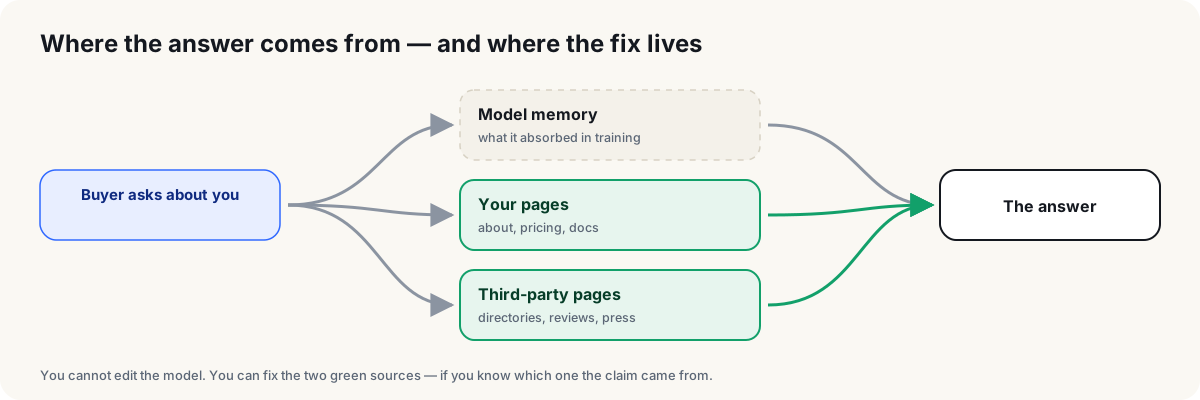
You cannot edit the answer. There is no listing to claim, no form to submit, no support line that changes what a model says. The answer is assembled from sources: what the model absorbed in training, your own pages, and the third-party pages that talk about you — directories, review sites, press, old partner listings. The only lever you have is those sources, and only if you know which one a wrong claim came from.
Wrong is silent. Nobody emails you to say the assistant just told them you cost twice what you cost. The buyer may simply move on, or arrive at a pricing page that contradicts what they were told and trust you a little less. Both outcomes look like nothing in your analytics.
The three ways an answer about you is wrong
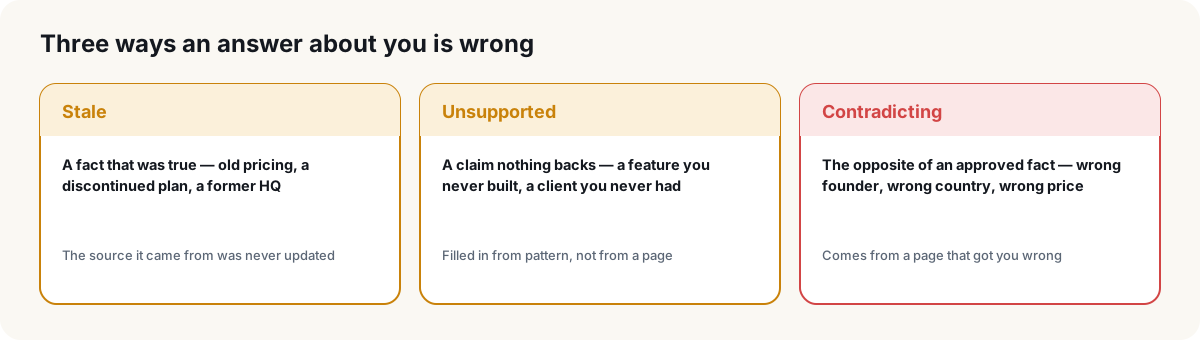
Stale. It was true. It is the most common case and has its own guide: why ChatGPT has outdated facts about you, and where they get fixed. Your Starter plan was $49 in 2024; the directory that scraped it never came back. The fix is a source that was never updated — and the only way to find it is to know the claim came from there.
Unsupported. Nothing backs it. The assistant says you have a built-in A/B testing engine because products in your category usually do. No page says so; the model filled the gap. The fix is a clear, literal statement of what you do and do not offer, somewhere the model reads.
Contradicting. It is the opposite of an approved fact — wrong founder, wrong country, wrong price — and it usually comes from a page that got you wrong: a review site, a comparison post, a partner listing. The fix is not on your site at all. It is a correction to whoever runs that page, and it needs the exact page and the exact claim to be worth sending.
How CitePatch handles a wrong claim about you
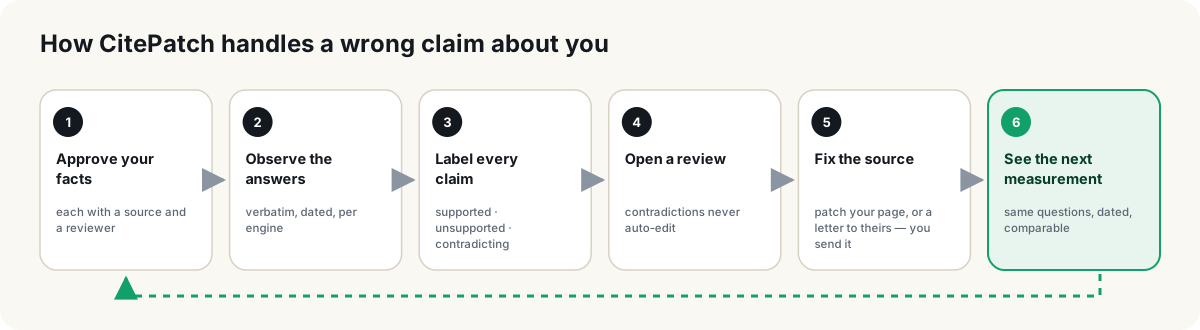
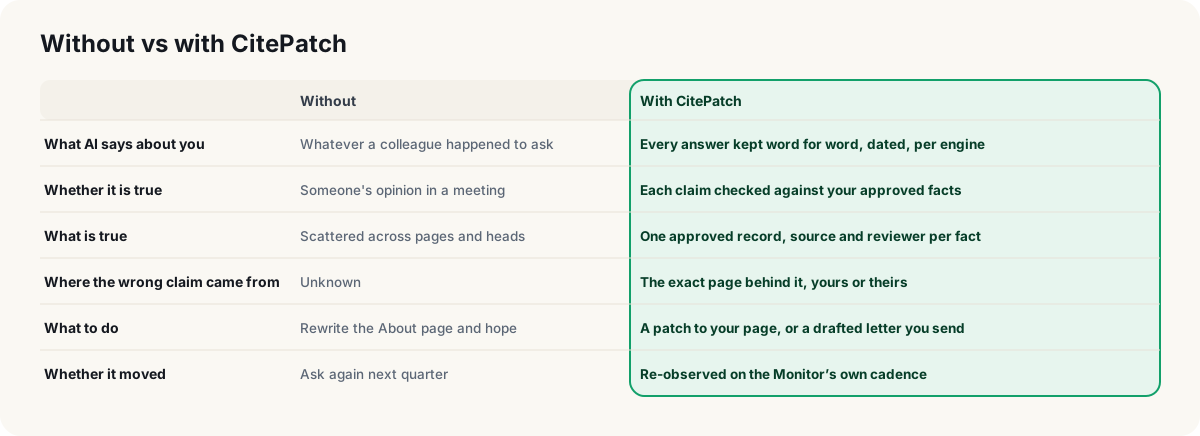
It starts with what is true, not with what AI said. Brand Truth keeps an approved record of your company’s facts. A fact starts as a suggestion — found on your own pages or typed in — and only becomes truth once a person reviews it with a source attached. Every fact carries its provenance and its review date; a later correction is a new version or a withdrawal, never a silent edit. Nothing CitePatch writes about you comes from a fact that is unreviewed, stale or contradicted.
Then every claim is checked against that record. The Visibility Monitor keeps the answers assistants give to your buyers’ questions word for word, dated, per engine, and each observed claim is labelled supported, unsupported or contradicting against your approved facts. The model judges whether a claim lines up with your fact; it never judges whether your fact is true. That is your job, and it stays yours.
A contradiction opens a review, never an automatic edit. You see the claim, the answer it came from and the exact page behind it — never a vague “somewhere else”. If the page is yours, a Playbook proposes the patch. If the page is someone else’s, CitePatch suggests a contact when a reasonable one can be found and Vera drafts the letter from your approved fact and the exact claim it corrects. CitePatch never sends the letter. There is no send action, only yours.
Then it looks again. The same questions keep running on a schedule, and a change you shipped sits in the Monitor’s own dated before/after — so “did it work?” gets a dated record, not a feeling.
What you can say after the first measurement
Sentences with evidence behind them, not impressions:
- “Across these engines, this share of the claims made about us is supported by our approved facts.” — with every answer behind the number.
- “These three claims contradict our facts, and here are the pages they come from.” — a list for whoever owns each page, including the ones that are not yours.
- “This claim is unsupported by anything we publish.” — which is a content gap with a name, not a mystery.
- “Since the correction, the same question no longer returns the wrong price, and the control questions did not move.” — measured, dated, comparable.
None of them promises a click, a deal or a timeline. All of them are things you can act on this week.
Next step
The answer already exists. A buyer already heard it. The only open question is whether you know what it says. Run the free audit to read it word for word, or create your account and put your approved facts in front of every claim from day one.
Frequently asked questions
- How do I find out what ChatGPT says about my company?
- Ask it the way a buyer would — what you do, who you are for, what you cost, how you compare — in a fresh session, and read every claim against what is actually true. The free CitePatch audit does this across engines in minutes and shows you the answers word for word.
- Why does ChatGPT give wrong information about my company?
- Because the answer is assembled from data about you — what the model absorbed in training and what it retrieves from your pages and third-party pages — not from you. A stale directory listing, an old pricing page or a review site that got a fact wrong can all end up in the answer as if they were true.
- Can I correct what ChatGPT says about my company?
- Not directly — there is no form and no support line that edits an answer. You correct the sources the answer was built from: your own pages, and the third-party pages that got you wrong. The hard part is knowing which claim came from which page, and whether the answer moved after you fixed it.
- What is the difference between an unsupported claim and a contradicting one?
- An unsupported claim is something nothing backs — a feature you never built, a client you never had. A contradicting claim is the opposite of an approved fact — a wrong price, a wrong founder, a wrong country. CitePatch labels every observed claim as supported, unsupported or contradicting against your approved record.
- What does CitePatch Brand Truth do?
- It keeps an approved record of what is true about your company — each fact with a source and a reviewer, never a silent edit — and checks every claim an assistant makes about you against it. Contradictions open a review, not an automatic change; the exact page behind each one is identified, a patch to your page or a letter to theirs is drafted, and you decide what ships.
- How long does it take for a correction to show up in AI answers?
- Nobody can promise a window, and anyone who does is guessing. What you can do is fix the source, keep observing the same questions on a schedule, and read the change against control questions you did not touch — so the answer to 'did it work?' is a measurement, not a hope.